
International Experience in Dementia Care: Lessons from California
Alzheimer’s disease continues to represent a major public health challenge in the United States, affecting millions of individuals and families. As the most common form of dementia, Alzheimer’s accounts for approximately 60–80% of dementia cases, distinguishing itself from the broader term dementia, which describes a spectrum of cognitive impairments rather than a single disease. Alzheimer’s is a progressive, neurodegenerative condition that disrupts memory, reasoning, and everyday functioning, and it is not a natural consequence of aging.
In California, the prevalence of Alzheimer’s disease is particularly significant. Approximately 12% of adults aged 65 and over live with Alzheimer’s, making the state one of the highest-burden regions nationally. Current estimates indicate that over 720,000 older adults in California live with Alzheimer’s disease, supported by 1.4 million unpaid caregivers, family members who collectively provide care valued at more than $50 billion annually. These numbers highlight the urgency of coordinated community education, early detection efforts, and caregiver support frameworks.
Within this landscape, the Alzheimer’s Association occupies a pivotal position. As one of the leading organizations in dementia advocacy, education, and research, the Association provides evidence-based information, community training programs, outreach initiatives, and structured support services designed to improve the quality of life for individuals living with dementia and those who support them. Its mission is grounded in three pillars: advancing global research, enhancing care and support, and promoting public awareness and risk-reduction strategies.
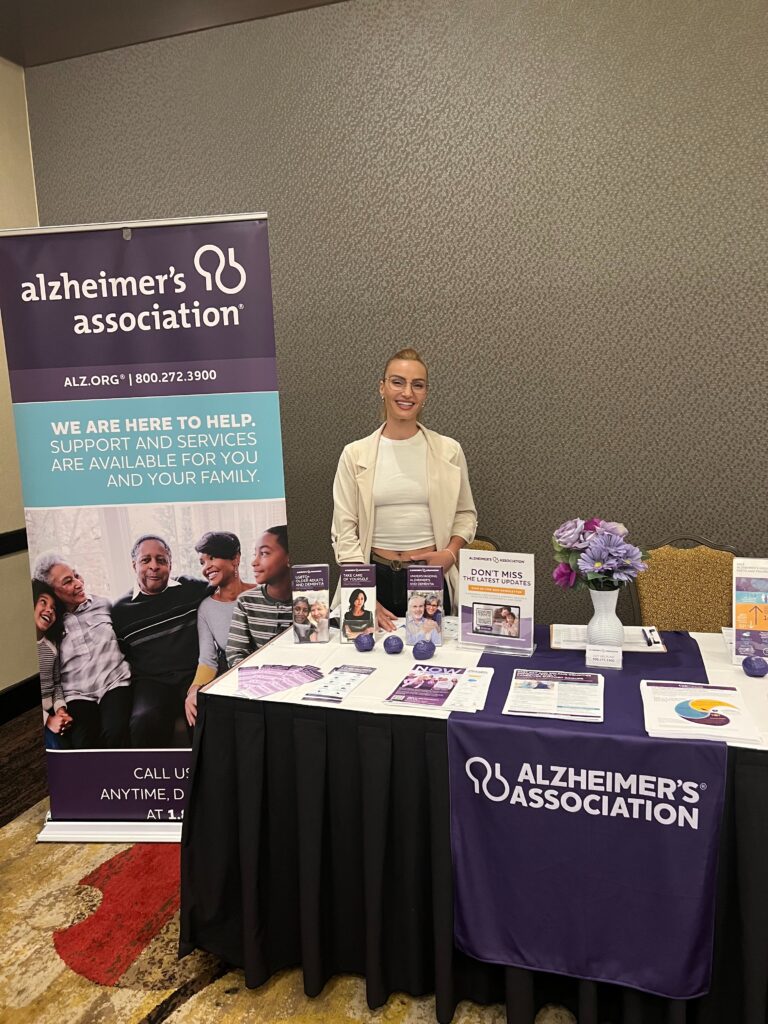
During a recent professional visit to the Bay Area, Theano Talamagka participated in activities with the Alzheimer’s Association as a Community Educator, contributing to public outreach initiatives aimed at raising awareness, sharing accurate scientific information, and supporting community engagement. Taking part in educational sessions and collaborative meetings provided valuable insight into how U.S. community health models integrate clinical knowledge with accessible education for families and professionals.
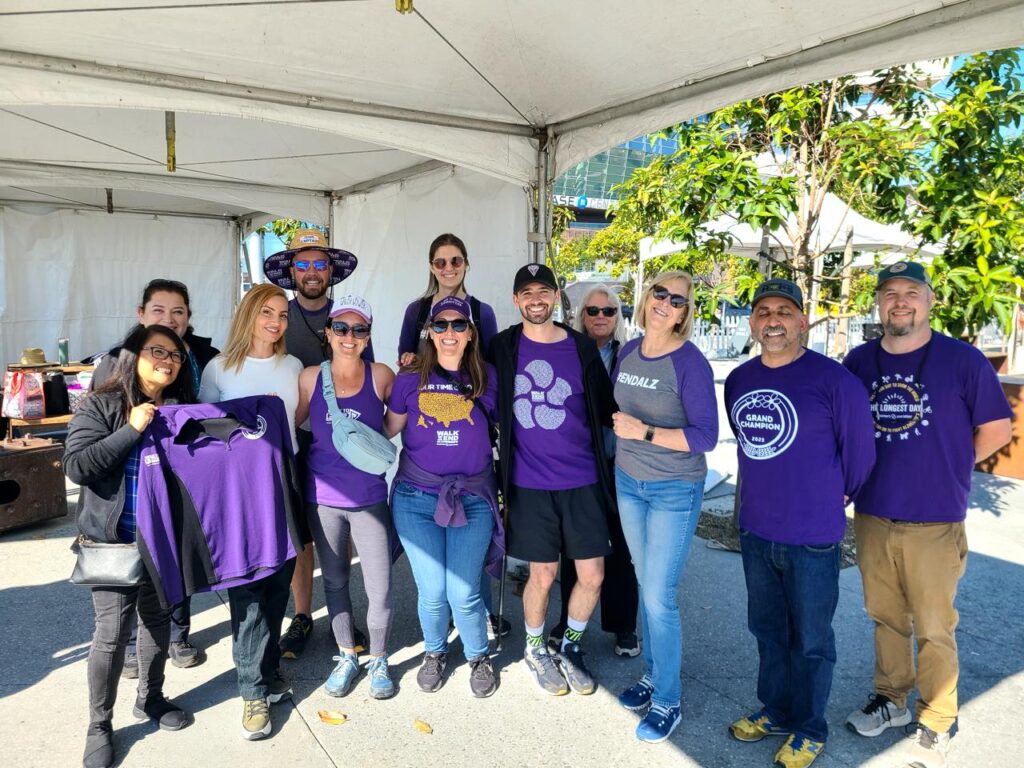
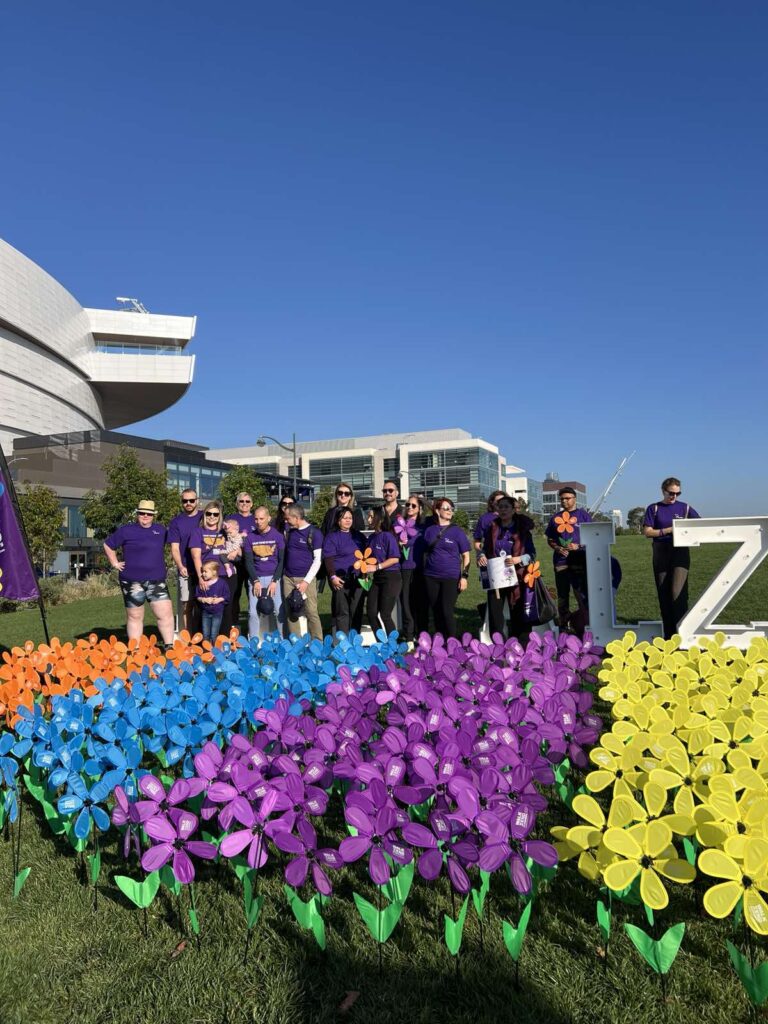
Her experience also included participation in the Walk to End Alzheimer’s – San Francisco, one of the largest community events dedicated to increasing public visibility, promoting early detection, and strengthening solidarity among families affected by the disease. Being involved in event preparation and community activation gave Theano the opportunity to contribute an international perspective by linking her clinical experience in Greek dementia units with established global approaches to community engagement.
The Walk is a coordinated effort that brings together researchers, clinicians, caregivers, organizations, and local communities with the shared aim of increasing awareness and supporting ongoing progress in dementia care and future therapeutic developments.
This experience aligns with the mission of the Hellenic Center for Interdisciplinary Studies & Research (HCISR) to build collaborations that integrate scientific evidence with community-based action. Exposure to Californian dementia-education models contributes to HCISR’s ongoing efforts to design interdisciplinary programs, caregiver-education workshops, and public-health initiatives in Greece and abroad.
By combining international learning with local practice, HCISR aims to strengthen awareness, improve quality of care, and support families navigating the complexities of Alzheimer’s disease. Theano’s participation reflects the belief that meaningful impact arises from shared knowledge, culturally sensitive education, and global collaboration.

From left to right
Aquila Farrell, entrepreneur, author, and creative strategist
Theano Talamagka, Co-Founder of HCISR and Raenika Butler, Gerontologist and Alzheimer’s Association speaker
A moment of shared purpose during an Alzheimer’s Association event in San Francisco.